Sri Lanka’s folklore is full of strange sights, spiritual beliefs, and old stories shaped by many cultures that passed through the island. The stories range from serpent spirits guarding lakes to demons carved into colorful masks. These creatures play an important role in the island’s identity. They reflect the values, fears, and faith of the people who shared these tales across generations.
Much of Sri Lanka’s mythology comes from Sinhala-Buddhist writings, ancient Hindu stories like the Ramayana, and the traditions of the Vedda people. Over time, the island welcomed traders, travelers, monks, and rulers who added new layers to these beliefs. This mix created a rich world filled with protective spirits, shapeshifters, forest beings, and signs believed to warn of danger.
This guide explores well-known mythical creatures from Sri Lanka. It explains where their stories came from, what they represent, and how they remain part of Sri Lankan culture today.
Where Do Sri Lankan Myths and Legends Come From?
Sri Lankan mythology began with the island’s early tribes, mainly the Yakkas and the Nagas. These groups lived on the island long before written records and left behind stories about spirit guardians, serpent deities, and mysterious forest beings. Many of the tales told today grew from these early beliefs.
When Buddhism arrived, it brought stories from the Mahavamsa, the Dipavamsa, and the Jataka tales. These works introduced gods, protectors, and demons who blended into the older myths. This helped shape a belief system where human life, nature, and the spirit world felt closely connected.
Influence also came from South Indian culture through Hindu epics. Characters such as Yakshas, Rakshasas, and powerful serpents made their way into Sri Lankan storytelling. Over time, the stories changed to fit local traditions and landscapes.
These myths survived because people shared them through performance and spoken word. Dancers, storytellers, and village elders passed them down, keeping the island’s legendary creatures alive in everyday memory.
What Are Rakshasas in Sri Lankan Folklore?
Rakshasas are well-known demon figures in Sri Lankan stories. They are often shown with fierce eyes, sharp teeth, and the ability to change shape. Although many tales describe them as dangerous, some stories show them as protectors who guard special places or treasures. Their role changes depending on the story, which gives them a unique place in the island’s mythology.
Rakshasas appear in Buddhist texts, Hindu stories, and temple traditions. Many legends describe them challenging kings, disturbing rituals, or testing spiritual strength. Over time, they also came to represent the idea of pushing away harmful forces.
This idea is seen clearly in the famous Raksha masks. These masks are brightly painted and deeply carved. Popular versions include the Naga Raksha, the Gurulu Raksha, and the Cobra Mask. Each type has a special meaning and is used for different rituals and dances.
Why Are Raksha Masks Important in Sri Lankan Culture?
Raksha masks are used in healing ceremonies, dances, and festivals. Their bold shapes and intense expressions are believed to scare away negative energy. Many families keep these masks as protective symbols. They remain a strong part of the island’s traditions and identity.
Are Nagas Worshipped in Sri Lanka?
Nagas, or serpent beings, are important figures in Sri Lankan mythology. They come from a mix of Hindu beliefs and older local serpent worship. Nagas are often shown as half-human and half-cobra. Stories describe them as powerful protectors who watch over water, land, and treasure.
Sri Lankans often link Nagas with rain, farming, and natural springs. Early communities depended on predictable rainfall, so they honored the Naga as a symbol of growth and good harvests. People once made offerings to these serpent spirits to ask for protection and steady weather.
Evidence of this respect can be seen in old Naga stones and carvings. Many temples have serpent symbols at their entrances or carved into their walls. These designs often show hooded cobras lined up beside spiritual images, which reflect the Naga’s role as a guardian.
What Is the Story Behind the Naga Kings?
One well-known Naga ruler is Maniakkhika, who is linked to the sacred Kelaniya area. Stories describe him as a wise cobra king who interacted with humans and gods. Legends about Naga kings guarding underwater homes and sacred lakes show how deeply these serpent spirits are woven into Sri Lankan culture.
These serpent and spirit tales share roots with other fascinating Asian mythical creatures and regional legends, showing how cultural beliefs spread across the continent.
Who Were the Yakkas in Ancient Sri Lanka?
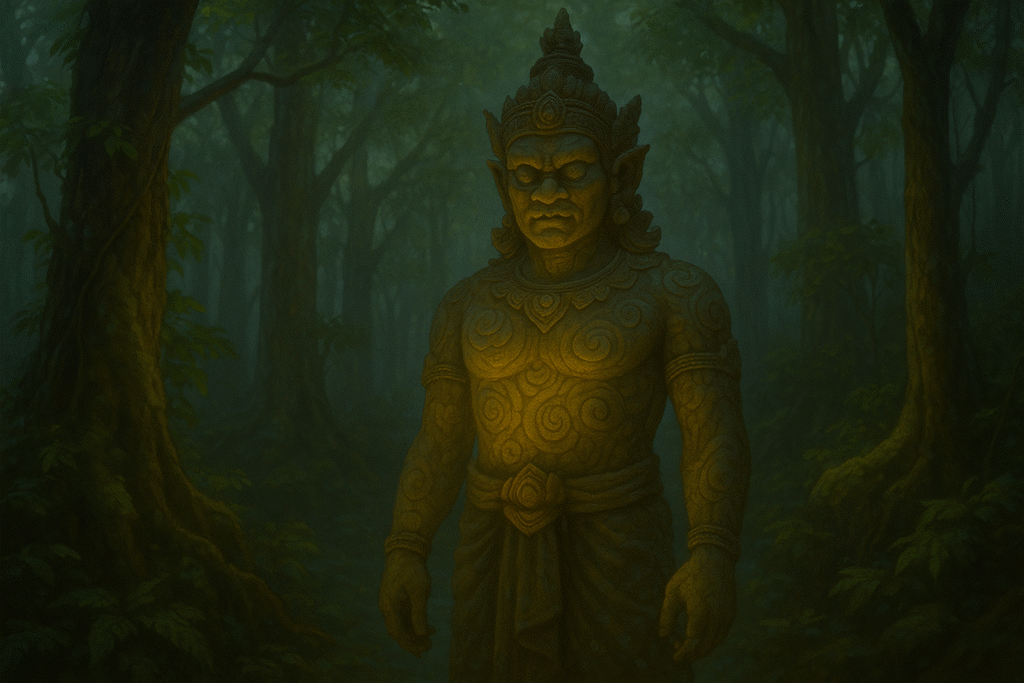
The Yakkas were one of the island’s earliest groups. Over time, their stories grew into myths about strong spirit beings who lived close to nature. Folklore describes them as capable of changing form, guiding travelers, or challenging those who acted without respect.
Stories show Yakkas as both protectors and tricksters. Some guarded forests and villages. Others tested people’s morals or caused problems when angered. This mix of qualities makes them an interesting part of Sri Lanka’s mythological history.
The Yakkas still appear in cultural ceremonies. One of the most famous is the Kohomba Kankariya, a traditional healing dance believed to honor Yakka spirits. These rituals focus on blessing the community and restoring balance.
Are Yakkas Evil or Protective Spirits?
Yakkas can be either helpful or harmful. Their behavior depends on how humans treat the land, the community, or the spiritual world. This idea reflects an older belief that nature itself can nourish or punish based on how people act.
Who Is Mahasona in Sri Lankan Demon Lore?
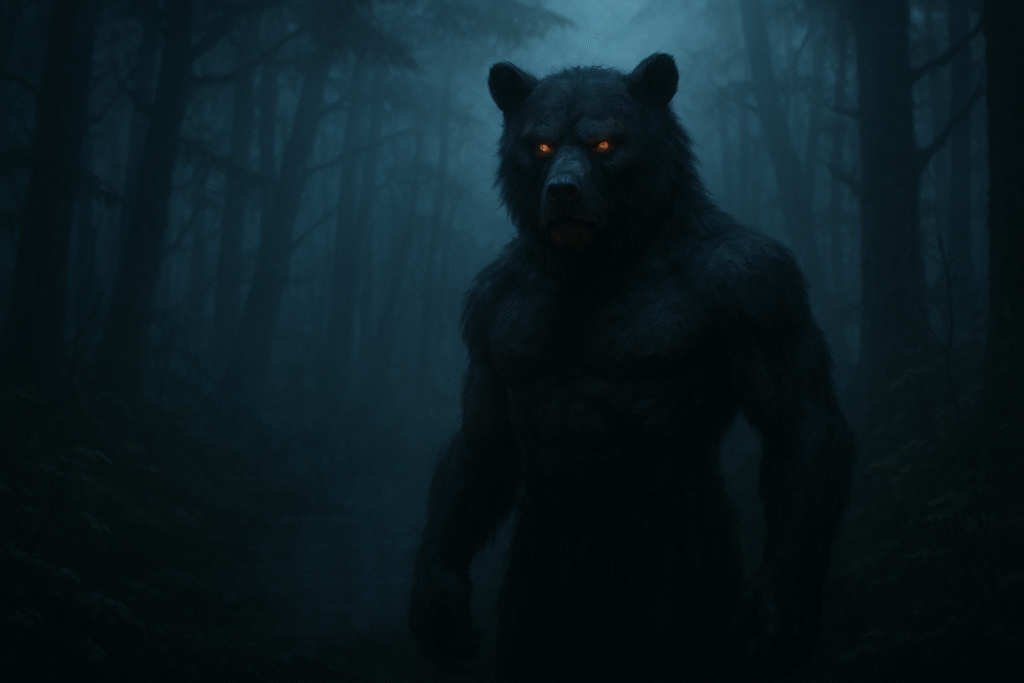
Mahasona is one of Sri Lanka’s most feared demons. He is often described with the head of a bear and the body of a man. Stories say he moves through graveyards, empty roads, and forests at night. Many believe he targets those who walk alone in dark or quiet places.
The legend states that Mahasona was once a brave warrior. After being killed in a battle with a man named Goraka, he became a restless spirit who haunted lonely areas. Tales claim he can change his form, create illness, or frighten anyone who crosses his path.
How Do Sri Lankans Protect Themselves From Mahasona?
To protect themselves from Mahasona, people turned to rituals such as Bali and Thovil. These ceremonies use chanting, music, and dance to calm or push away harmful beings. Mahasona masks, which show his bear-like features, are common in these rituals and are believed to hold protective power.
Were the Nittaewo Real Creatures?
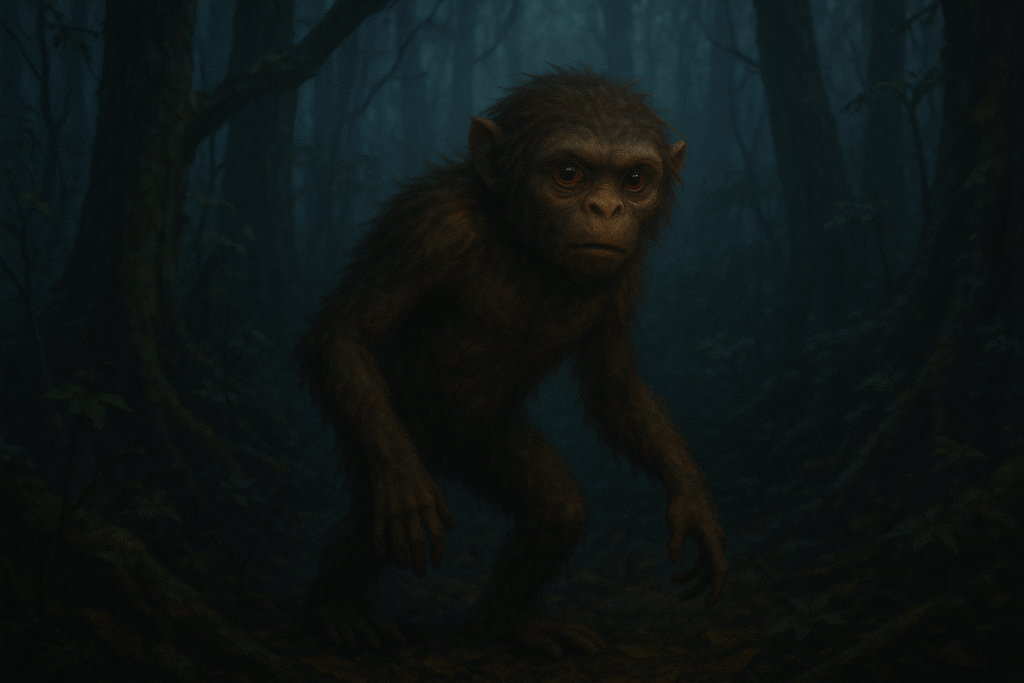
The Nittaewo are small, clawed beings described in old Sri Lankan stories. They are said to have walked on two legs, lived in caves, and defended themselves fiercely. Their size, behavior, and mysterious nature make them quite different from other mythical creatures on the island.
The Vedda people shared many stories about the Nittaewo. They claimed these beings lived deep in the forest and sometimes fought for food or territory. Their stories describe the Nittaewo as quick, strong, and sometimes aggressive.
Interest in the Nittaewo grew during the colonial period. British explorers and officials recorded similar descriptions from local communities. These records led to debate about whether the Nittaewo were spirits, unknown animals, or something in between. No solid evidence has been found, which adds to their mystery.
Where Were the Nittaewo Said to Live?
They were believed to live in thick forests in eastern Sri Lanka. Areas such as Mahiyanganaya, Akarawela, and Pottuvil are often mentioned in these tales. These places have caves and dense jungle that match the descriptions passed down through generations.
What Is the Devil Bird in Sri Lankan Folklore?
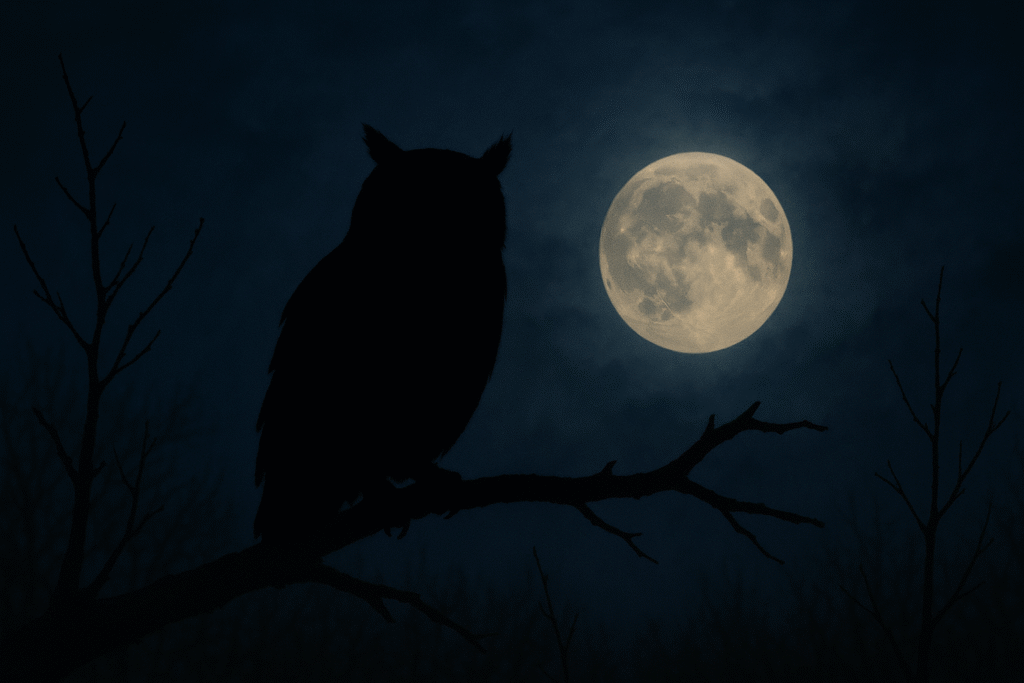
The Ulama, known as the Devil Bird, is one of the island’s most frightening creatures. Its cry is described as a long, sharp scream that sounds almost human. People say this call breaks the silence of the night and fills listeners with fear. Many believe the cry warns of danger, loss, or death.
Stories of the Ulama vary. Some say it is the spirit of a woman who suffered a terrible wrong. Others say it is a forest spirit pretending to be a bird. No matter the version, the Ulama remains a sign of misfortune in Sri Lankan folklore.
Is the Ulama Based on a Real Animal?
Scientists believe the Ulama may be based on real birds. The spot-bellied eagle owl has a cry that sounds very human. The Sri Lankan fishing owl also makes strange calls that might match the stories. These natural explanations suggest the legend may have grown from rare and unsettling bird sounds.
Who Was Kuveni in Sinhala Mythology?
Kuveni is a powerful figure in Sri Lankan legend. She is known as the Queen of the Yakkas and the first woman connected to the story of the Sinhala people. Stories describe her as a skilled sorceress who could change her form and use magic to protect her land.
According to the Mahavamsa, Kuveni met Prince Vijaya when he first arrived in Sri Lanka. She helped him defeat rival Yakka clans and supported him as he claimed the land. This moment is one of the most important parts of the island’s origin story.
Why Is Kuveni Considered a Tragic Figure?
Kuveni’s story ends in sadness. Vijaya left her to marry a princess from India to strengthen his rule. Kuveni was forced into exile with her children.
Many versions say she died heartbroken. Her children are believed to be ancestors of the Vedda people. Her story reflects themes of loss, power, and the cost of betrayal.
If you’re interested in other folklore, the Maldives mythical creatures and ancient island myths offer another fascinating look at how different island cultures shaped their spiritual stories.
How Are Sri Lankan Myths Different From Indian Folklore?
Sri Lanka shares several mythological figures with India. These include Nagas, Yakshas, and Rakshasas. Although these characters appear in both cultures, the Sri Lankan versions developed in different ways.
In India, Nagas are linked to divine realms. In Sri Lanka, they became guardians of water and farming. Indian Yakshas are usually nature spirits. In Sri Lanka, they changed into Yakkas, who can help, heal, or cause harm. Rakshasas in India are usually demonic. In Sri Lanka, they became central to mask dances and rituals aimed at protection.
These differences give Sri Lankan mythology a strong local identity. If you’re interested in how these creatures appear in Indian stories, you can explore the guide on Most Fascinating Indian Mythical Creatures Revealed, found at: https://mythicalgodsandcreatures.com/most-fascinating-indian-mythical-creatures-revealed/