
Spain has one of the most varied myth traditions in Europe. These stories grew from centuries of oral storytelling, local customs, and shared memory. From foggy forests in the north to dry villages in the south, Spanish mythical creatures helped people explain fear, nature, and the unknown. Long before books recorded them, these legends passed from mouth to mouth among families, farmers, and travelers.
Major Spanish Mythical Creatures and Their Legends
Spanish folklore includes a wide range of legendary beings shaped by local life and belief. Unlike myths that follow a single tradition, Spanish mythical creatures often change from region to region. Some helped explain natural events. Others warned against dangerous behavior or protected communities.
Below are some of the most well-known Spanish mythical creatures and the roles they played in folklore.
El Coco: Spain’s Boogeyman
El Coco is one of the most familiar figures in Spanish folklore. He is often mentioned when people ask what El Coco is in Spanish tradition. El Coco is a shadowy presence used to scare children into behaving. Parents described him hiding in dark corners, on rooftops, or inside wardrobes, waiting for misbehaving children.
El Coco has no fixed appearance. In some areas, he looks like a monster. In others, he has no clear shape at all. This lack of form made him more frightening, since children imagined him themselves. Versions of El Coco exist across Spain, each shaped by local fears. While he may seem simple today, El Coco reflects how fear-based stories were used to teach rules and discipline.
Duende: Spirit of Mystery and Trickery
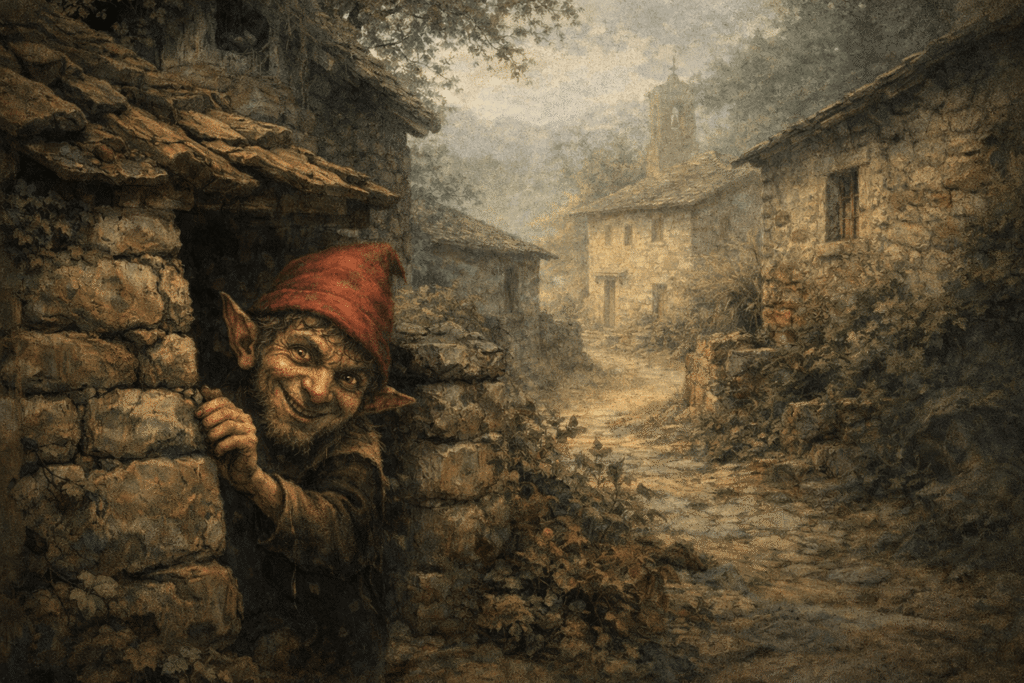
The duende appears throughout Spanish folklore as a mischievous spirit tied to homes and wild places. When people ask what a duende is, the answer often depends on where the story comes from. Some duendes play harmless tricks like hiding objects. Others feel unsettling and create confusion or unease.
Duendes are usually small and human-like, though their behavior matters more than their looks. They act on emotion and impulse. In Spanish culture, the duende represents unseen forces that affect daily life, such as luck, creativity, or sudden trouble. The idea of duende later influenced Spanish art and music, where it came to mean emotional depth that cannot be easily explained.
Cuélebre: The Dragon of the North
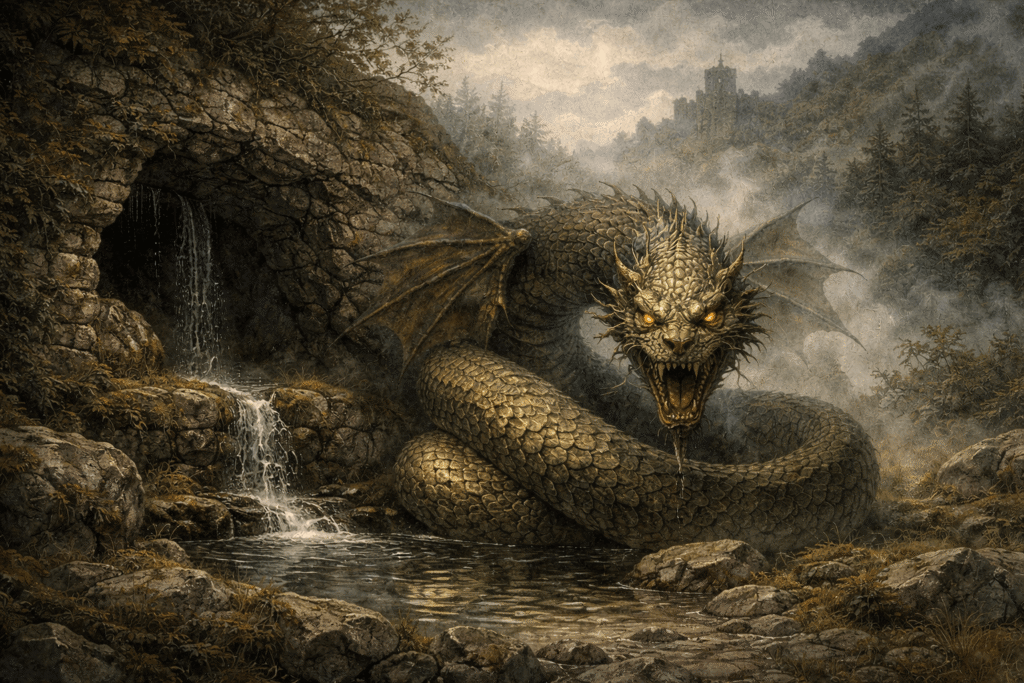
For those wondering whether dragons exist in Spanish folklore, the Cuélebre provides the answer. This creature comes from Asturias and Cantabria. The Cuélebre is a giant winged serpent that guards caves, springs, and hidden treasure. Legends say it grows larger and more dangerous as time passes.
Stories often claim the Cuélebre cannot be defeated by strength alone. Instead, heroes rely on clever tricks or enchanted food. The Cuélebre represents greed, ancient power, and the danger of forbidden places. It also reflects the belief that wisdom matters more than force when facing overwhelming threats.
Basajaun: Lord of the Forest
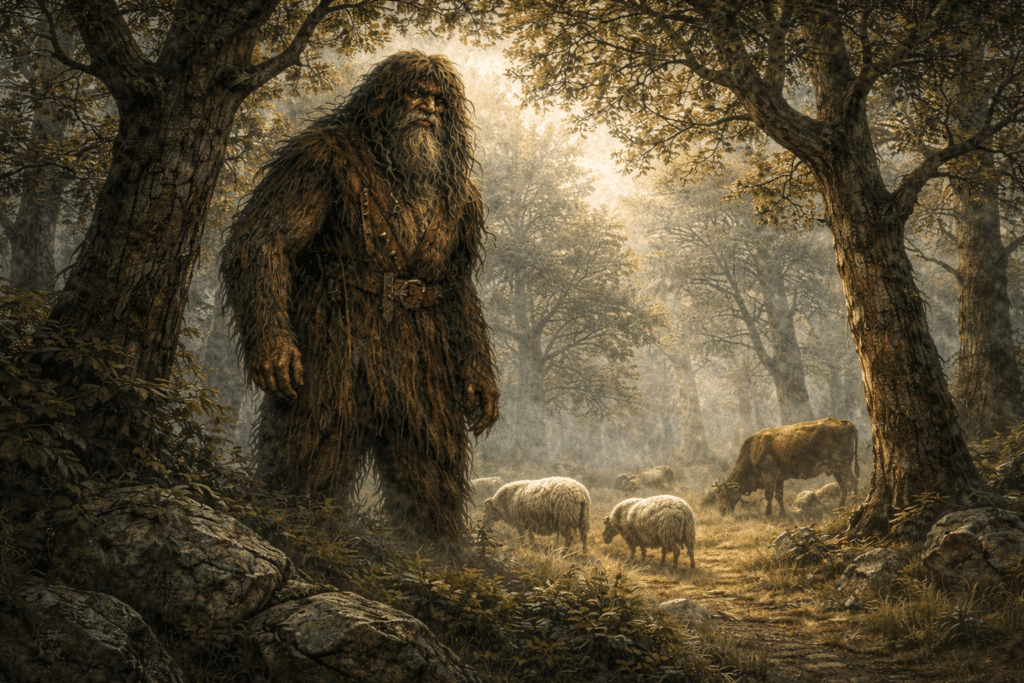
Basajaun is a giant figure from Basque folklore covered in hair and tied closely to the natural world. Many ask what Basajaun represents in folklore. He acts as a guardian of forests, animals, and shepherds. Unlike many mythical creatures, Basajaun is not evil. He warns people of storms and protects livestock.
Basajaun reflects rural values built around survival and respect for nature. His stories suggest that land and animals deserve care, not control. He may also echo older beliefs in forest spirits from before Christianity reached the region. Through Basajaun, folklore teaches balance and responsibility.
Nuberu: Master of Storms
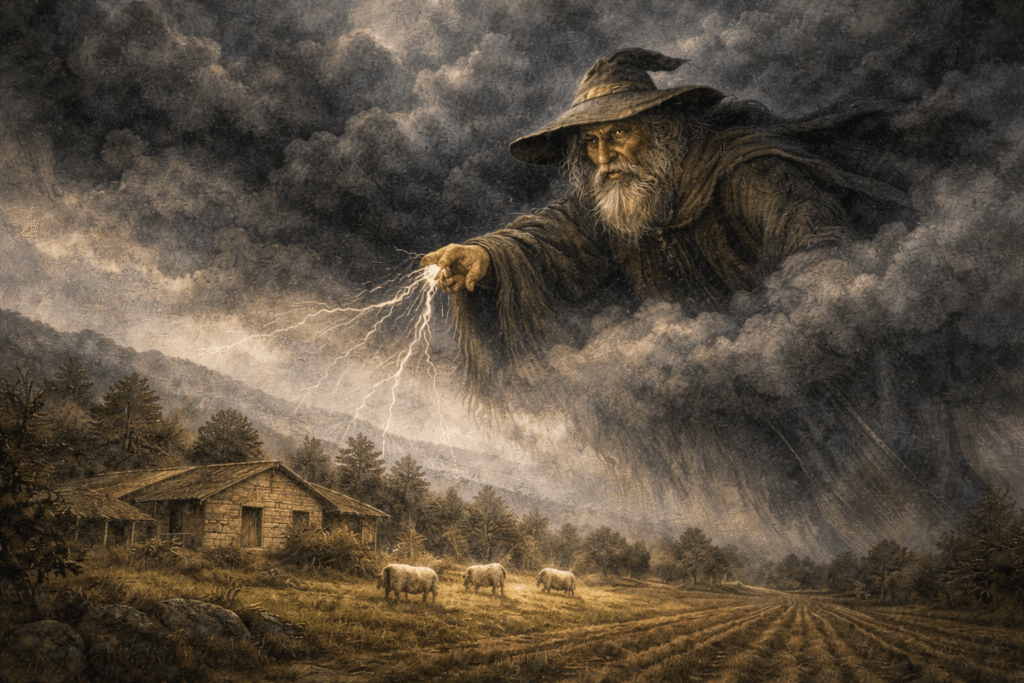
Nuberu appears in northern Spanish folklore as a figure who controls storms. When asked who Nuberu is, stories describe an old man riding clouds while bringing thunder, hail, and strong winds. Farmers blamed him for destroyed crops and harsh weather.
Nuberu is not always cruel. Some legends say he shows mercy to those who offer shelter or kindness. This mixed nature reflects how people viewed weather as both necessary and destructive. Nuberu represents the uncertainty of nature and the belief that humility and generosity could bring protection.
Anjanas and Alojas: Benevolent Spirits of Water
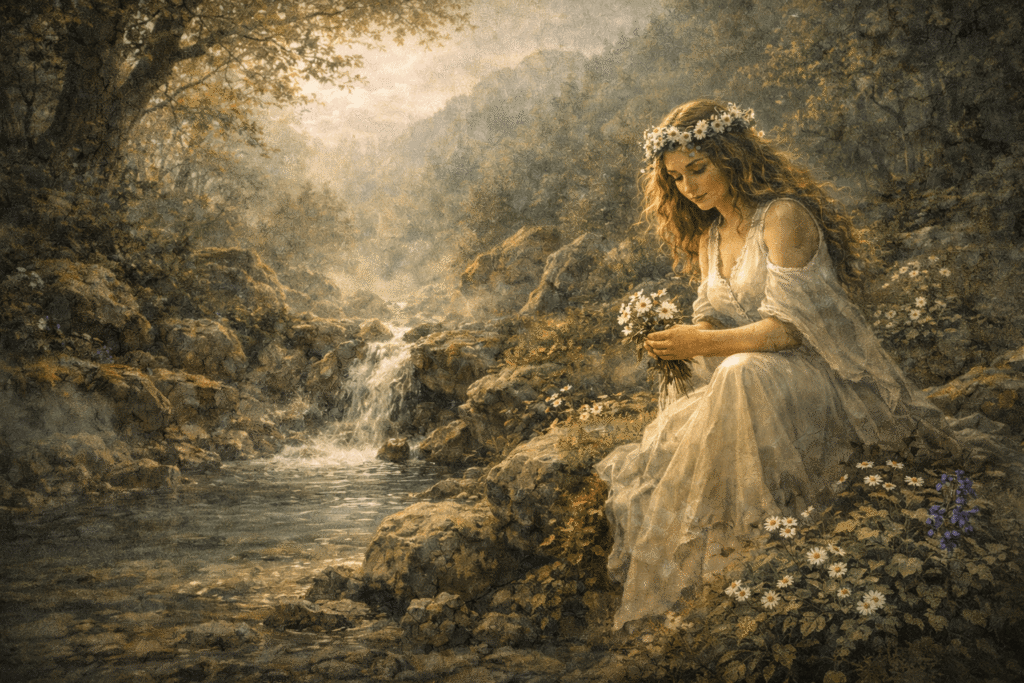
Anjanas and Alojas are among the most gentle figures in Spanish folklore. Anjanas come from Cantabria and appear as graceful spirits living near rivers and springs. They reward kindness, protect children, and bring good fortune.
Alojas belong to Catalonian folklore and share similar traits, though they are often more mysterious. While usually kind, Alojas can be dangerous to those who become obsessed with them. Together, these water spirits highlight the importance of clean water, fertility, and respect for natural sources in rural life.
Muladona and Other Shape-Shifters
The Muladona is a tragic figure from Catalonia. She is a woman cursed to become a mule as punishment for immoral behavior. Her story warns against deceit, pride, and disrespect toward social rules.
Shape-shifting appears often in Spanish folklore. Many legends involve humans becoming animals or monsters after breaking promises or moral laws. These stories focus on accountability and the lasting impact of personal choices.
Gaueko and Night Beasts

For those asking if Spanish folklore includes dark or evil creatures, Gaueko is one example. Gaueko comes from Basque mythology and appears as a wolf-like beast that hunts at night. It targets people who wander after dark or ignore social rules.
Gaueko reflects fear of darkness in rural life. Night creatures like him warned people to stay indoors and respect boundaries. These stories helped create structure and safety within small communities.
How Do Spanish Mythical Creatures Reflect Local Beliefs and Values?
Spanish mythical creatures reflect daily life and shared values. Many legends grew from farming communities that depended on weather, land, and animals. Natural forces became supernatural figures people could understand. Creatures like Basajaun and Nuberu encouraged respect for nature and humility. Fear-based figures taught obedience and social limits. These stories helped pass values from one generation to the next.
Explore Related European Folklore
Spanish folklore shares themes with nearby traditions. You may also enjoy reading about
Portuguese Mythical Creatures from Legends and Folklore or
French Mythical Creatures Rooted in French Folklore, which show how myths change across borders while preserving local identity.