Kazakh mythology grew from life on the wide Eurasian steppe. The land shaped the beliefs of early Kazakh communities, and those beliefs shaped the stories they passed down through generations. These stories carried lessons about nature, danger, protection, and the unseen world. They also reflected the values of a people who depended on the land and the sky for survival.
Storytelling played a central role in Kazakh culture. It kept memories alive and explained events that felt larger than life. Many tales featured striking figures such as radiant birds, powerful spirit women, or creatures linked to storms.
Modern interest in steppe folklore has grown. As more readers explore Central Asian traditions, Kazakh mythology stands out for its depth and strong sense of identity. Those who explore these tales often gain insight into the worldview that shaped Kazakh history. For more stories from the region, see Captivating Central Asian Mythical Creatures.
Most Important Creatures in Kazakh Mythology
Kazakh mythology features a wide range of supernatural beings. Each one reflects a part of Kazakh life, from the power of nature to the tests faced by travelers and heroes.
The radiant bird Samruk is one of the best known figures. Zheztyrnak, a spirit woman with iron claws, appears in many warnings told to young travelers. The powerful Bura, a thunder camel, is linked to storms and spiritual journeys. Azhdakha, a many-headed dragon, symbolizes danger and the struggle to survive in a harsh landscape.
Together, these beings form the core of steppe folklore. They help us understand how early Kazakh communities viewed nature, danger, and the spiritual world. These myths also connect to other Asian traditions. If you want to see how they fit into the larger region, visit Fascinating Asian Mythical Creatures.
Samruk, the Sacred Bird of Renewal and Destiny
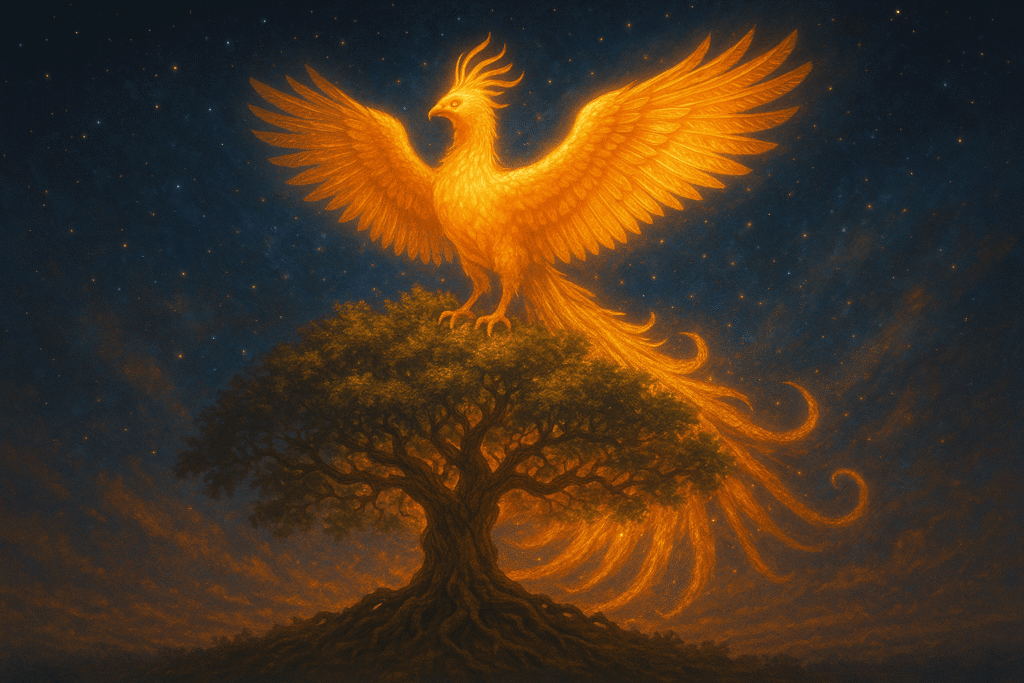
Samruk is one of the most meaningful beings in Kazakh mythology. This great bird is often described as large and bright, with feathers that shine like sunlight. Many stories say Samruk carries power linked to creation and renewal. Its presence marks important moments in myths and heroic journeys.
What Is the Meaning of Samruk in Kazakh Mythology
Many stories place Samruk on the Tree of Life. This sacred tree connects the sky, the human world, and the world below. Samruk watches over this meeting point, which makes the bird a symbol of balance and protection. Its bright feathers show its divine nature, and its flight is often tied to major changes or turning points in the world.
Samruk is a symbol of rebirth and new beginnings. The bird appears in tales where heroes face danger or feel lost. Its guidance helps them return to the right path or gain the strength to continue. Through Samruk, we see the deep spiritual bond between Kazakh people, the sky, and the forces that shape life.
Zheztyrnak, the Iron-Clawed Spirit Woman
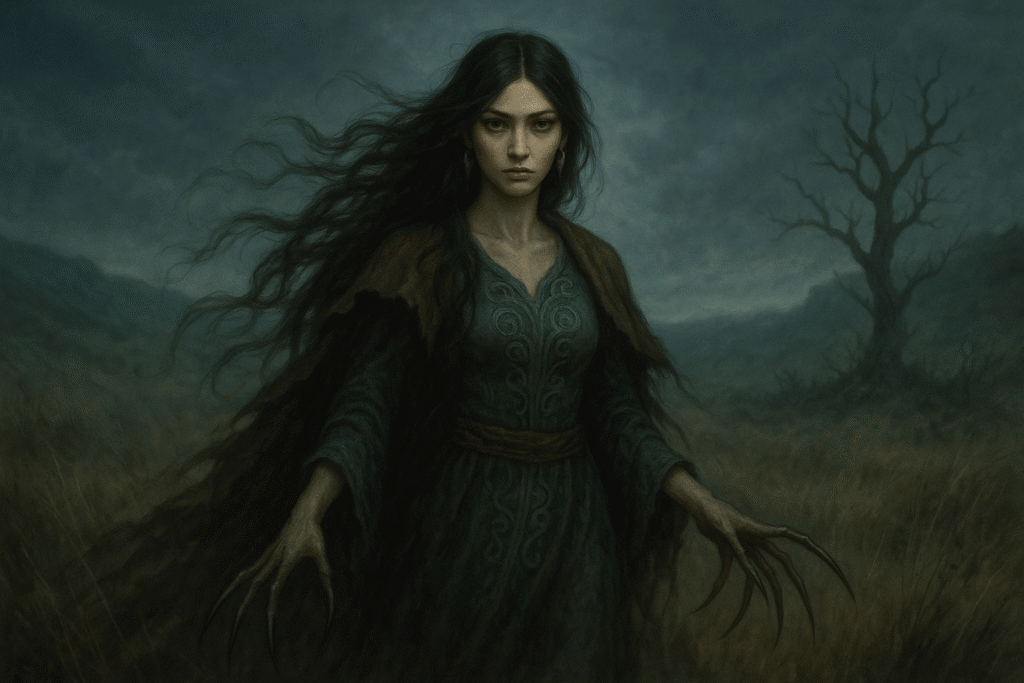
Zheztyrnak is one of the most striking beings in steppe folklore. Her name means “iron claws”, which points to her nature as both beautiful and dangerous. She often appears in warnings told to young men or travelers who stray too far into lonely places. Zheztyrnak helps explain the risks hidden in nature and the need for caution during long journeys across the steppe.
Who Is Zheztyrnak in Kazakh Mythology
Zheztyrnak is a shapeshifting female spirit. She can appear as a beautiful woman who seems kind or inviting. Although she looks human, she belongs to the supernatural world. Stories place her in remote areas where travelers are most vulnerable. Her beauty draws people in, which is where the danger begins.
Why Zheztyrnak Is Considered Dangerous
Zheztyrnak often uses charm to gain trust. Once a traveler lets down their guard, she reveals her true nature and attacks. These stories served as lessons. They taught young people to stay alert, make wise choices, and respect the dangers of the wild.
Symbolism of the Iron Claws
Her iron claws represent the harsh side of nature and the risks of ignoring one’s instincts. They also reflect the strength and unpredictability found in many female spirits across Central Asia. Heroes who face Zheztyrnak must show courage and clear judgment. This makes her one of the most complex figures in Kazakh folklore.
Bura, the Thunder Camel and Divine Messenger
The Bura is one of the most powerful supernatural beings in Kazakh mythology. It is often described as a bright or winged camel that moves through the sky. The Bura is closely linked to storms and rain, which made it important in a region where water shaped survival. Many stories describe the Bura as a creature that brings change and guides spiritual travelers.
What Is the Bura in Kazakh Mythology
In steppe folklore, the Bura can fly and shine with a light that signals its sacred nature. People believed the creature could bring rain and shift weather patterns. These ideas reflect the close relationship Kazakh communities had with the land. Rain meant life for their animals, so the Bura became a symbol of blessing and balance.
The Bura also appears in stories about travel between worlds. Many shamans called upon the creature during spiritual rituals. They believed the Bura could carry them across unseen realms. These tales show how the Bura connected physical life with the spiritual world and helped explain the movement of natural forces.
Azhdakha, the Multi-Headed Dragon of the Steppe
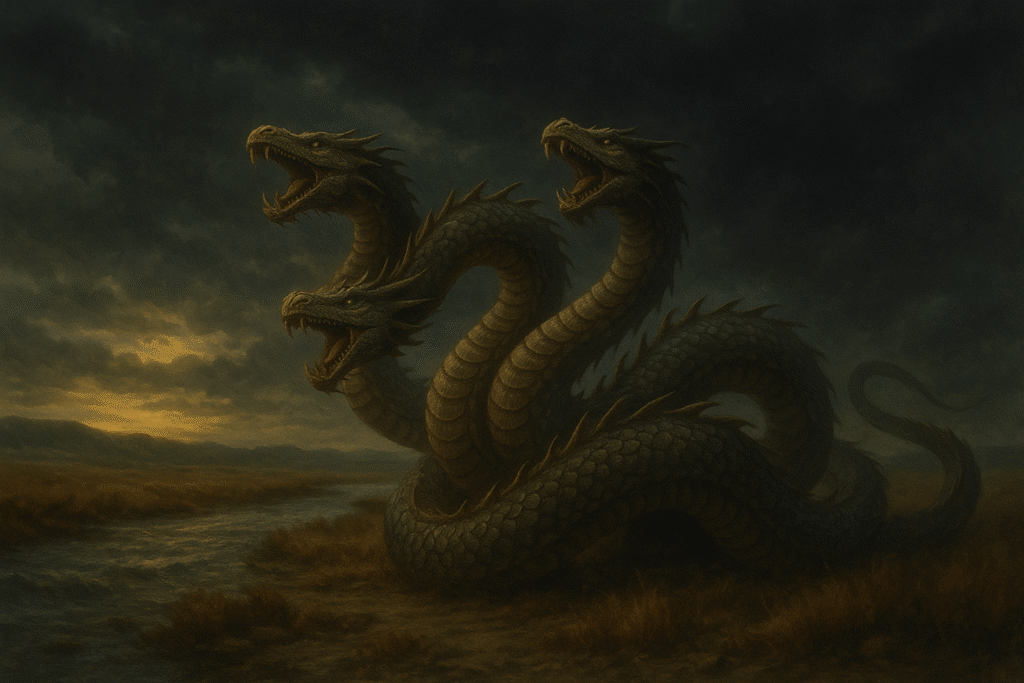
The Azhdakha is one of the most feared creatures in Kazakh mythology. This many-headed dragon appears in stories about danger, hardship, and the struggle to survive. Tales describe the Azhdakha as a large serpent-like being that controls water or blocks rivers. Its presence speaks to the real fear of drought and disaster on the steppe.
What the Dragon Represents in Kazakh Folklore
The Azhdakha often symbolizes chaos and destruction. Many stories tell of the dragon stopping the flow of water or poisoning springs. Access to water was vital for nomadic communities, so a creature that threatened it became a powerful symbol of crisis. The dragon’s many heads make it seem impossible to overcome, which reflects the real challenges of living in a harsh environment.
Heroes often fight the Azhdakha in epic tales. Their victory represents the return of balance and the protection of the community. This theme appears in many Turkic and Central Asian myths, which shows how shared struggles shaped shared storytelling traditions.
Nature and Spirit Beings in Kazakh Folklore
Kazakh mythology includes many spirits that live in mountains, rivers, and homes. These beings helped explain the world around early Kazakh communities. They taught people to treat nature with care and respect. These beliefs grew from daily life on the steppe, where survival depended on balance with the land.
Are There Nature Spirits in Kazakh Mythology
Yes. Kazakh folklore includes mountain spirits, water spirits, and household guardians. Each one protected a part of the natural world. These spirits rewarded those who showed respect and punished those who acted carelessly. These stories supported a way of life built on awareness and gratitude.
What Are Peri or Su Perileri in Kazakh Myth
Peri or Su Perileri are water spirits known across the region. They appear as graceful maidens or shining figures who live near rivers or lakes. These spirits can help or mislead travelers. Their stories remind people of both the beauty and the danger found in natural waters. If you’re interested in similar beings across the region, explore Captivating Central Asian Mythical Creatures for broader context.
Guardian Spirits of the Steppe
Guardian spirits guided shamans and protected households. Some offered healing or insight, while others enforced rules of respect toward nature. Their presence showed that the land was alive with unseen forces. These beliefs shaped how people behaved during travel, rituals, and daily life.
Themes Represented by Kazakh Mythical Creatures
Kazakh mythical creatures express key ideas about nature, morality, and identity. These beings helped people understand events that felt beyond human control. They also taught lessons that guided behavior within the community.
Myths as Explanations of Natural Forces
Many creatures explain natural events. The Bura helps describe storms and sudden weather changes. Samruk represents new beginnings and the rhythm of life. Zheztyrnak reflects the risks that travelers faced in remote areas. These stories helped people cope with the unpredictability of nature.
Myths as Moral Lessons
Kazakh myths often teach values such as courage, caution, and loyalty. Heroes must face supernatural beings or difficult trials. Their actions show listeners how to respond to hardship with wisdom and strength. These lessons helped guide daily choices.
Myths as Cultural Identity
These stories highlight what mattered to Kazakh communities. They show a connection to the land, the sky, and the spirit world. Through repeated storytelling, each generation learned what it meant to be part of the Kazakh people.
How Kazakh Myths Compare to Other Central Asian Traditions
Kazakh mythology shares many features with other Central Asian traditions. Communities across this region lived similar lives and faced similar challenges. Their stories reflect shared beliefs and themes while still holding unique cultural details.
Shared Themes With Turkic and Mongolic Cultures
Many traditions across the region practiced Tengrism, which centered on sky worship and respect for the natural world. Their epics include heroes who meet spirits, fly through the sky, or receive help from otherworldly beings. These themes link Kazakh stories to broader Turkic and Mongolic mythologies. If you want to explore these connections, you can view Turkish Mythical Creatures: A Complete Guide to the Turko-Mongol Mythology.
Kazakh mythology also shares ideas with Mongolian folklore. Many Mongolian stories feature strong sky spirits or powerful nature beings that resemble figures found in Kazakh tales. To learn more about these shared roots, see Mongolian Mythical Creatures: Spirits and Legends.