French folklore is shaped by centuries of storytelling passed down through families and villages. These stories reflect how people once made sense of the world around them. French mythical creatures rooted in French folklore grew from local fears, beliefs, and everyday struggles. Many of these legends draw from Celtic traditions, Roman influence, and medieval Christian thought. The creatures are tied to forests, mountains, coastlines, and rural towns across France. Each story served a purpose. Some warned of danger, others explained death or disaster, and many helped preserve regional identity in a changing world.
The Most Famous French Mythical Creatures
French folklore includes a wide range of mythical beings shaped by regional life and shared fears. These creatures often grew from oral traditions and real events that were later exaggerated through retelling. Over time, history and imagination blended together. Dragons, spirits, shape-shifters, and trick creatures all played a role in teaching lessons and explaining danger.
La Bête du Gévaudan
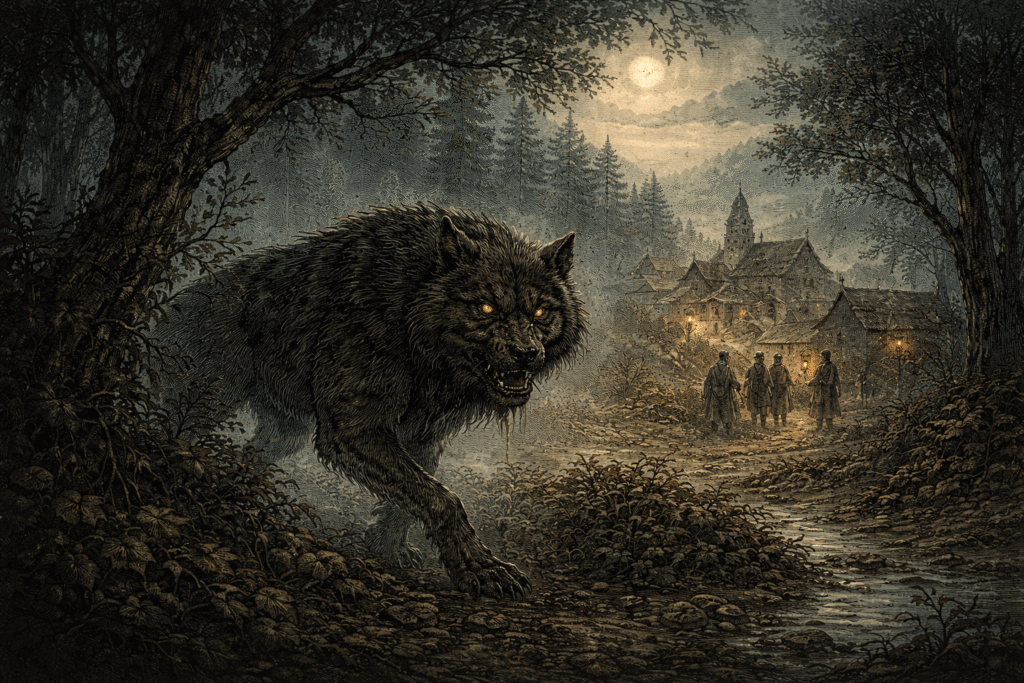
La Bête du Gévaudan comes from southern France, where a series of real attacks occurred between 1764 and 1767. Witnesses described a large, wolf-like animal with unusual strength. The creature killed dozens of people and spread fear across rural villages. Rumors moved faster than facts, which led to mass panic. Some believed the beast was supernatural. Others blamed wolves, exotic animals, or even human involvement. In folklore, La Bête du Gévaudan represents fear of the wild and the danger of the unknown.
The Tarasque

The Tarasque is a legendary creature from Provence, linked to the town of Tarascon. It is described as a powerful beast with a lion’s head, a shell-like body, and a serpent’s tail. According to legend, it terrorized locals until Saint Martha calmed it through faith instead of force. The story changed how the creature was viewed. What began as a pagan monster became a symbol of Christian redemption.
Melusine

Melusine is a well-known figure from western France, especially the regions of Poitou and Lusignan. She appears as a woman who transforms into a serpent or dragon from the waist down. Legend says she married a nobleman under one condition. He could never see her during her transformation. When he broke that promise, she disappeared forever. Melusine represents secrecy, transformation, and power. Her story is also tied to noble family origins, showing how folklore was used to explain lineage, fortune, and loss.
The Ankou

The Ankou comes from Breton folklore and is closely linked to death. It is often shown as a skeletal figure or an old man driving a wooden cart. The Ankou is believed to collect souls and guide them to the afterlife. Rooted in Celtic belief, this figure helped people understand death by giving it a form. Hearing the cart at night was seen as a bad omen. The Ankou reflects how communities used folklore to face mortality and accept death as part of life.
The Dahu
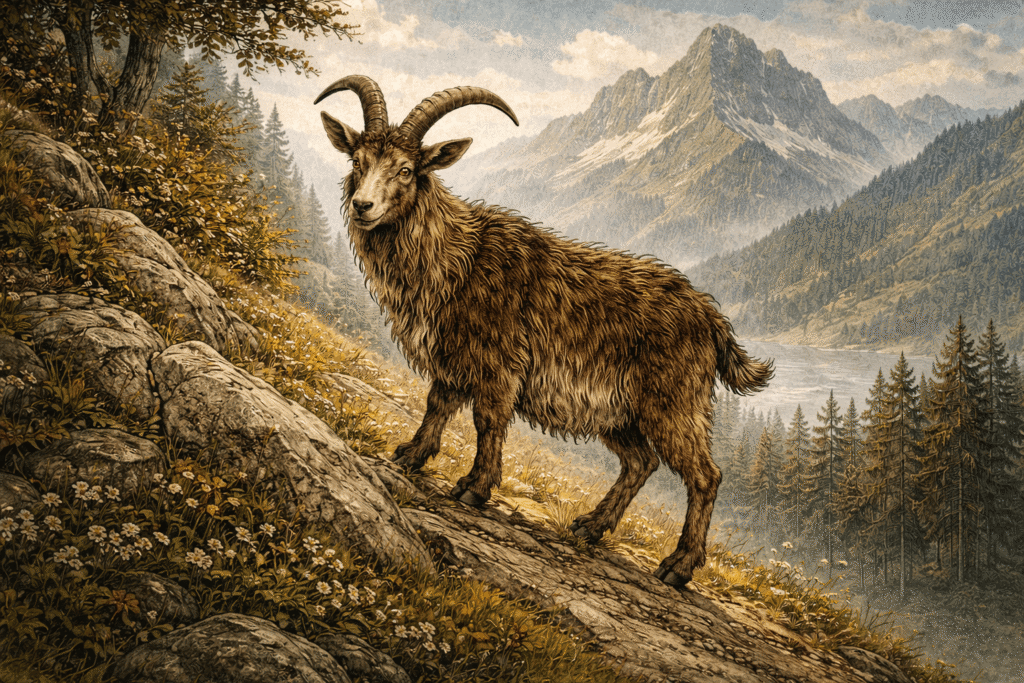
The Dahu is a lighthearted creature from the French Alps. It is described as a goat-like animal with legs shorter on one side, which helps it walk along steep slopes. Stories about hunting the Dahu are often used to trick visitors or amuse locals. Unlike darker legends, this creature exists mainly for humor. The Dahu shows that folklore was not always about fear. It also brought people together through shared jokes and storytelling.
The Vouivre
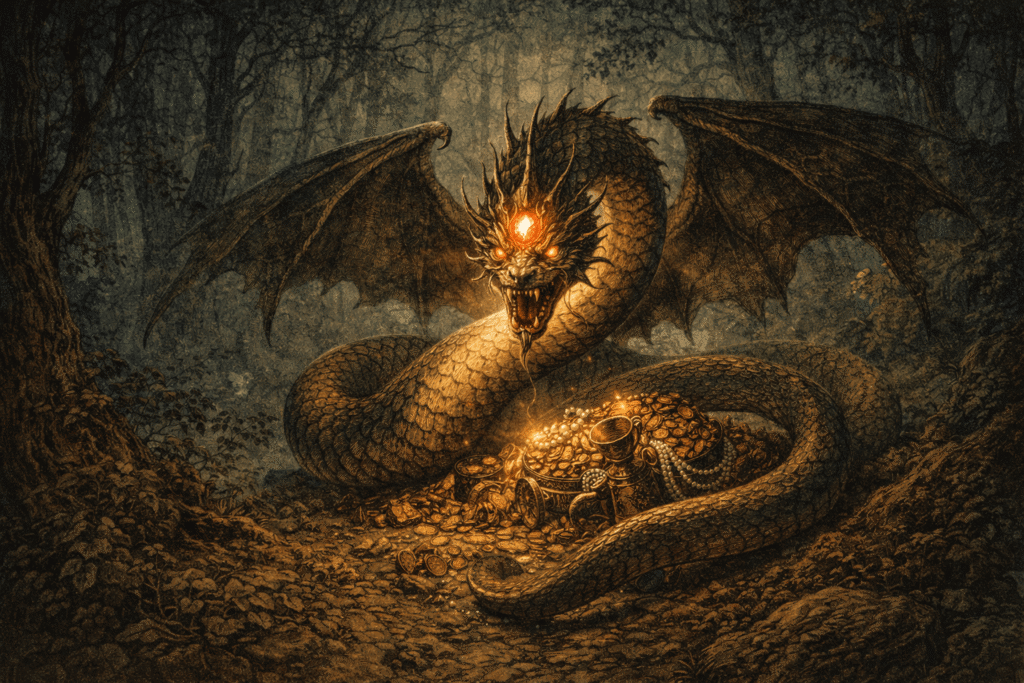
The Vouivre is a winged serpent or dragon found in eastern France, especially in regions like Franche-Comté. Legends describe it guarding hidden treasure, often marked by a glowing jewel on its head. Many stories warn that greed leads to disaster. Those who try to steal from the Vouivre rarely survive. The creature symbolizes temptation and the cost of ambition. Its dragon form also connects French folklore to wider European dragon myths, similar to those found in German folklore, which you can explore further in this article:
https://mythicalgodsandcreatures.com/german-mythical-creatures-exploring-the-realm-of-folklore/
The Loup-Garou
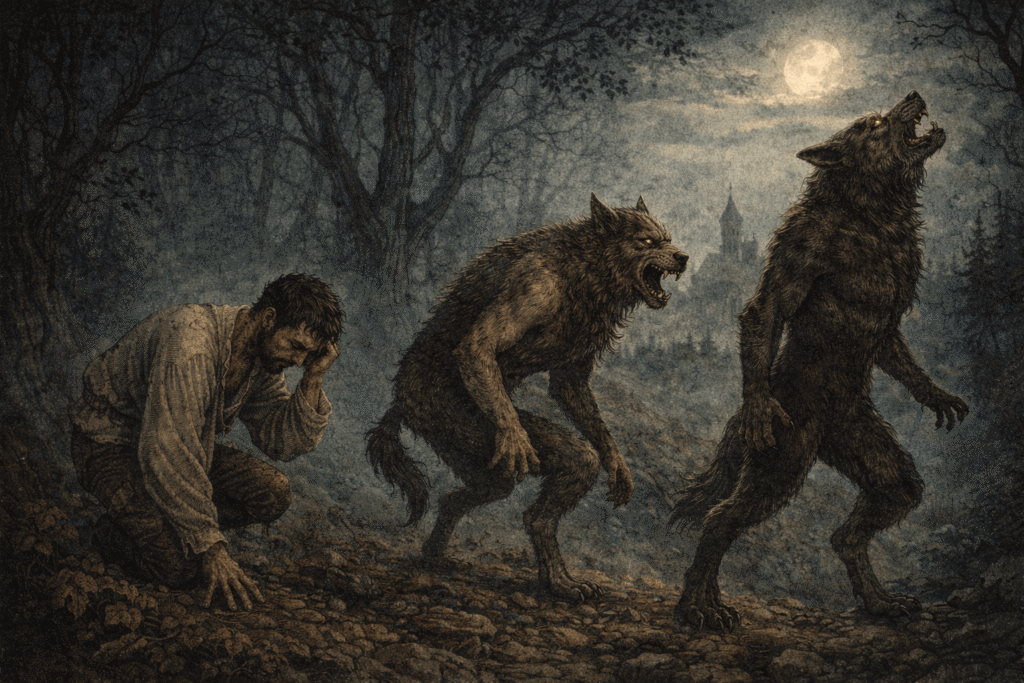
The Loup-Garou is the French version of the werewolf and was widely feared during the Middle Ages. People believed these creatures were humans cursed to become wolves, often at night. The curse was linked to sin, witchcraft, or broken vows. Fear of the Loup-Garou led to real accusations and trials. In folklore, it represents the loss of control and the struggle between human nature and animal instinct. Similar transformation myths appear across Europe, including ancient Italy, as seen in Roman legends:
https://mythicalgodsandcreatures.com/roman-mythical-creatures/
French Mythical Creatures by Region
French mythical creatures are shaped by the land and culture where they originated. Coastal regions, mountains, forests, and farmland all influenced the types of legends that developed. Each area created stories that reflected daily life, local dangers, and long-held beliefs.
Mythical Creatures of Brittany
Brittany’s folklore is strongly tied to its Celtic past. Many legends focus on death, spirits, and the sea. The Ankou is one of the most feared figures in the region. Coastal stories also include drowned souls and sea monsters. These legends warned people about the dangers of the ocean and reinforced respect for forces beyond human control.
Mythical Creatures of Provence
Provence is known for dragon legends mixed with religious themes. The Tarasque is the best example. Stories from this region often combine pagan creatures with Christian figures. The result is folklore that focuses on faith, redemption, and order. Roman influence also shaped many of these myths, linking Provence to older Mediterranean traditions.
Mythical Creatures of the French Alps
Life in the Alps was harsh and unpredictable. Folklore from this region reflects survival and isolation. Creatures like the Dahu added humor to difficult conditions. Other legends warned travelers about dangerous paths and wild animals. These stories helped people respect the power of the mountains.
Mythical Creatures of Northern France
Northern France is known for dark forests and haunting legends. The Loup-Garou appears often in these stories, along with ghosts and cursed places. These myths reflect fear of isolation and moral wrongdoing. Similar forest legends can also be found in other parts of the world, including South America. A good comparison can be found here:
https://mythicalgodsandcreatures.com/unveil-the-captivating-mythology-of-brazilian-mythical-creatures/
What Do French Mythical Creatures Symbolize?
French mythical creatures often reflect deep human concerns rather than simple fantasy. One common theme is fear of nature. Forests, mountains, and wild animals were dangerous in medieval times. Creatures like La Bête du Gévaudan reflect that fear and the uncertainty of the natural world.
Morality and punishment are also central themes. Many legends warn against greed, betrayal, or broken promises. The Vouivre is a clear example, punishing those who value treasure over safety or wisdom. These stories helped enforce social rules.
Death and the afterlife appear often in French folklore. Figures like the Ankou gave death a face, making it easier to understand and accept. This helped communities cope with loss.
Transformation and curses show how fragile human identity can be. Stories of the Loup-Garou and Melusine explore secrecy, guilt, and loss of control. Together, these myths show how folklore helped people explain their world and their place within it.
If you are exploring broader traditions, you may find Spanish mythical creatures from folklore legends useful for understanding how myths developed across different regions.