Cyprus holds a special place in the ancient world. The island sat at the center of the eastern Mediterranean, where major cultures crossed paths. Traders, settlers, and travelers from Greece, Anatolia, the Levant, and Egypt all passed through Cyprus. With them came stories, beliefs, and religious ideas. Over time, these influences blended into a myth tradition shaped by the island itself.
Cyprus myths differ from the famous tales of mainland Greece. While Greek myths focus on heroic quests and powerful gods, Cypriot myths feel closer to daily life. Many stories are tied to the land, the sea, and sacred places. Caves, coastlines, and mountains were not just scenery. They were seen as living spaces where the natural and supernatural met.
Mythical creatures played a key role in these stories. They reflected fear of the sea, respect for nature, and belief in unseen forces. Some creatures guarded holy sites. Others warned people of danger or punished those who broke sacred rules. Together, these beings reveal how ancient Cypriots tried to understand a world shaped by uncertainty, nature, and belief.
Why Are Mythical Creatures Important in Cyprus Myths?
What role did mythical creatures play in ancient Cyprus?
In ancient Cyprus, mythical creatures helped explain the unseen world. Many acted as guardians of sacred places such as caves, temples, and coastal shrines. These creatures protected spaces believed to connect humans with the divine. Other beings served as punishers. They appeared in stories to warn against disrespect toward the gods or the natural order.
Some creatures also worked as messengers. Their appearance often signaled danger, change, or divine attention. These myths were not meant only to frighten people. They helped pass down values and beliefs. Through these creatures, ancient Cypriots learned where boundaries existed and why respect for nature and ritual mattered.
What did mythical creatures symbolize to ancient Cypriots?
To ancient Cypriots, mythical creatures represented powerful forces in everyday life. Many symbolized nature itself, especially the sea and the land. Others stood for moral ideas such as justice, protection, or punishment. Fertility-related creatures reflected the island’s reliance on farming and renewal. More chaotic beings expressed fear of the unknown.
These symbols turned real concerns into stories people could understand and remember.
Origins of Cyprus Mythical Creatures
Where did Cyprus mythical creatures come from?
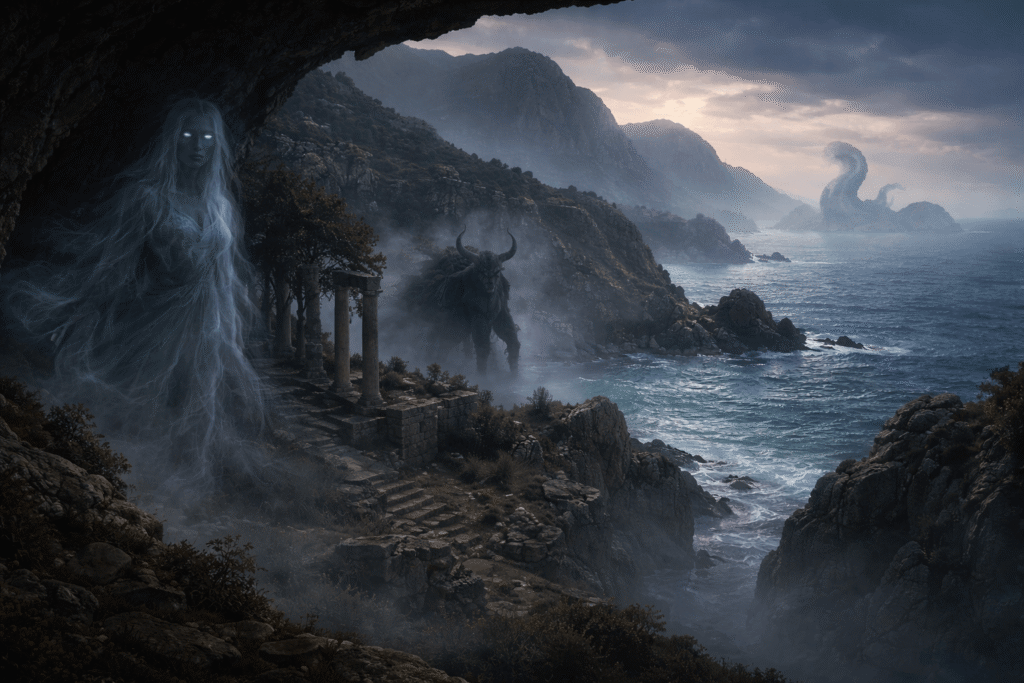
Cyprus mythical creatures grew out of religion, ritual, and the island’s natural setting. Ancient Cypriots believed the gods worked through signs and symbols. Creatures often appeared as protectors of sacred spaces or as helpers of divine power. Some were tied to rituals meant to bring fertility, safety, or balance. These stories spread through oral tradition and changed over time.
The landscape also shaped these myths. Life on an island meant constant contact with the sea. Storms, shipwrecks, and unknown depths inspired stories of dangerous sea beings. Caves and mountains were seen as entrances to other worlds. Guardian beasts and spirits were believed to live in these hidden places. Through myth, real dangers and beliefs took symbolic form.
Major Cyprus Mythical Creatures in Ancient Myths
Mythical Sea Creatures of Cyprus
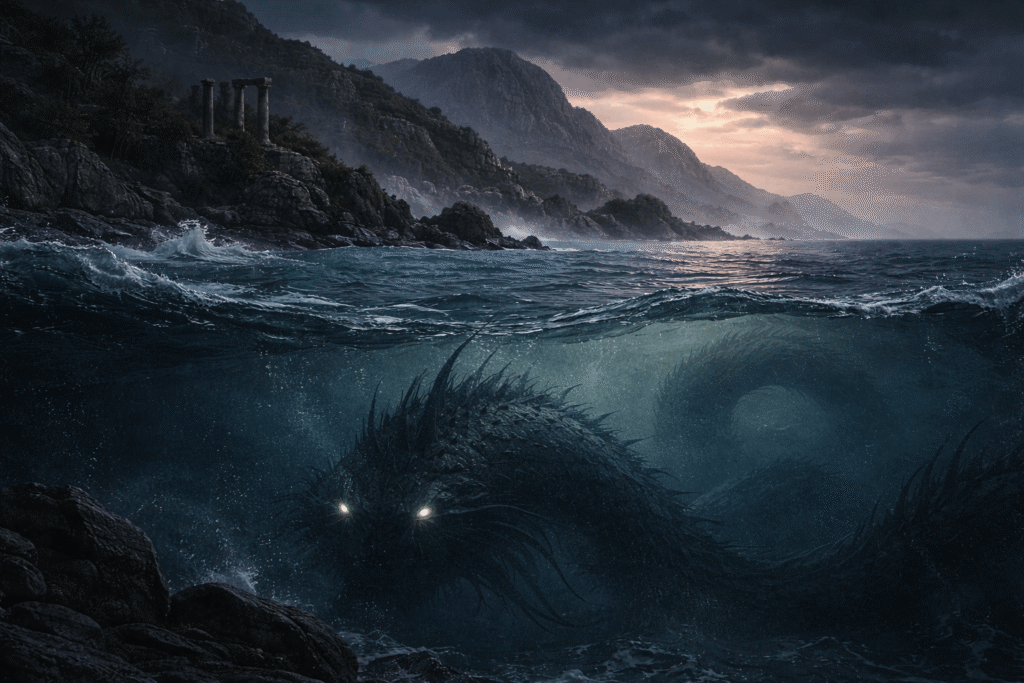
The sea shaped life in ancient Cyprus. It brought trade and food, but also danger. Myths often describe sea creatures as vast and unseen forces beneath the waves. These beings caused storms, shipwrecks, or sudden disappearances. They were not always given clear shapes or names. Their power came from mystery.
Sea creatures served as warnings. They reminded people that the sea could not be controlled. Some guarded sacred shores. Others punished pride or careless behavior. In these myths, the sea became a living force that demanded respect. Similar ideas appear in nearby cultures, such as in Turkish Mythical Creatures: A Complete Guide to the Turko-Mongol Mythology and Syrian Mythical Creatures in Middle Eastern Lore, where the sea also plays a dangerous role.
Hybrid Beasts and Monster Figures in Cyprus Myths
Hybrid creatures appear in many Cyprus myths. These beings combined human and animal traits and often looked unnatural. Their strange forms showed imbalance and disorder. Such creatures reflected fears about crossing moral or spiritual boundaries.
These monsters were usually tied to lessons. They tested human behavior and punished those who ignored divine rules. Their presence warned against excess and disrespect. Similar hybrid figures can be found in Egyptian Mythical Creatures: Ancient Gods & Beings, where animal-human forms also carried deep symbolic meaning.
Guardian Creatures and Sacred Beasts
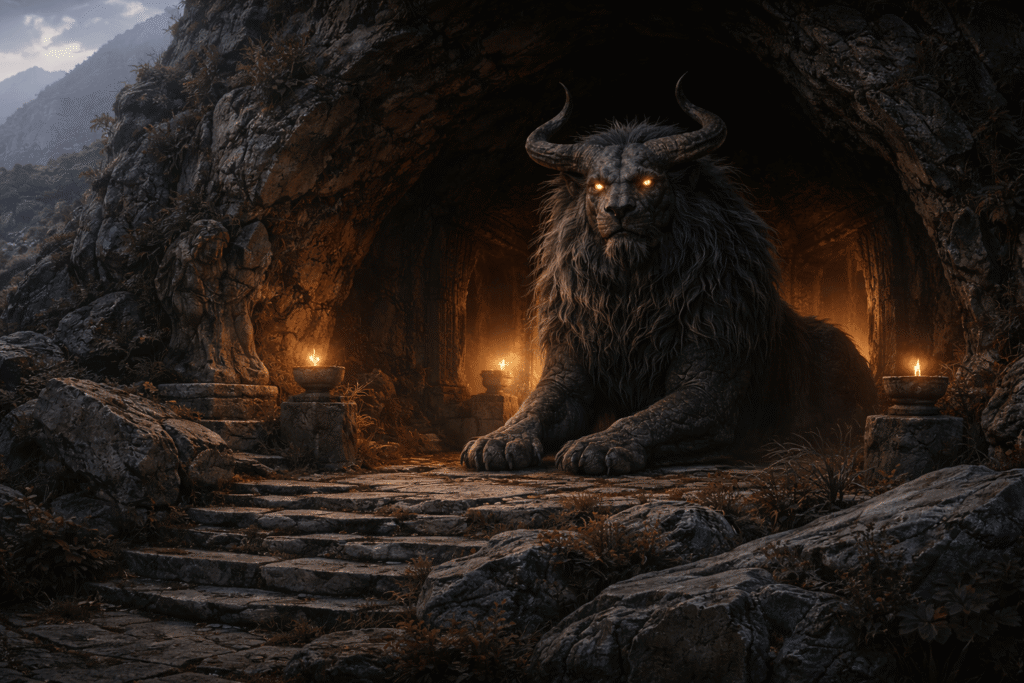
Not all creatures were threats. Many acted as guardians. They protected temples, springs, caves, and coastal landmarks. These beings marked places where the divine was believed to be close. Only those who followed proper rituals could approach safely.
Guardian creatures also enforced rules. Anyone who disrespected sacred ground risked punishment. These myths linked belief directly to the landscape. Sacred places became part of daily life, watched over by unseen protectors. This idea connects closely with themes found in the Legendary Beasts of Lebanon and West Asian Mythical Creatures, where land and myth are deeply tied.
Spirits, Demons, and Supernatural Beings
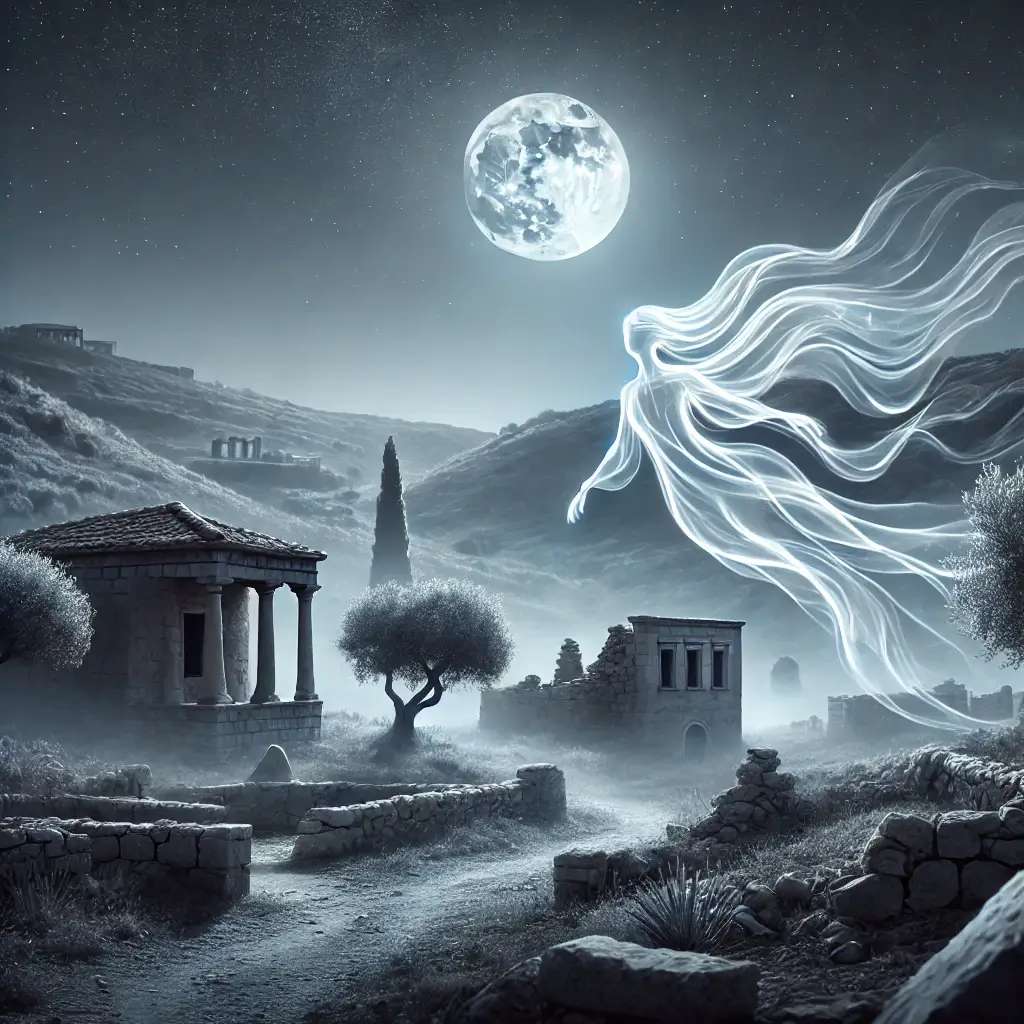
Cyprus myths also include spirits and unseen beings. These figures were linked to illness, fear, and bad luck. They often appeared at night or in dreams. Unlike guardian creatures, they were not tied to one place.
Stories about spirits helped explain sudden sickness or strange events. They also encouraged protective rituals. Night creatures and dark omens warned of change or divine anger. These beliefs turned fear into something people could name and resist.
What Is the Most Famous Mythical Creature in Cyprus?
Cyprus myths do not focus on one famous creature. Instead, importance came from role, not name. The most well-known beings were those tied closely to daily life. Sea creatures, guardians of sacred caves, and protective beasts held lasting meaning because people felt their presence in real places.
These creatures were remembered for what they represented. They protected holy ground, warned of danger, and enforced unseen rules. Their power came from belief rather than heroic stories. This local focus explains why Cyprus myths feel grounded and personal. It also sets them apart from the better-known figures seen in Greek Mythology Creatures in Art and Fascinating Asian Mythical Creatures.